Tell us about the job
Takes about a minute. No obligation.

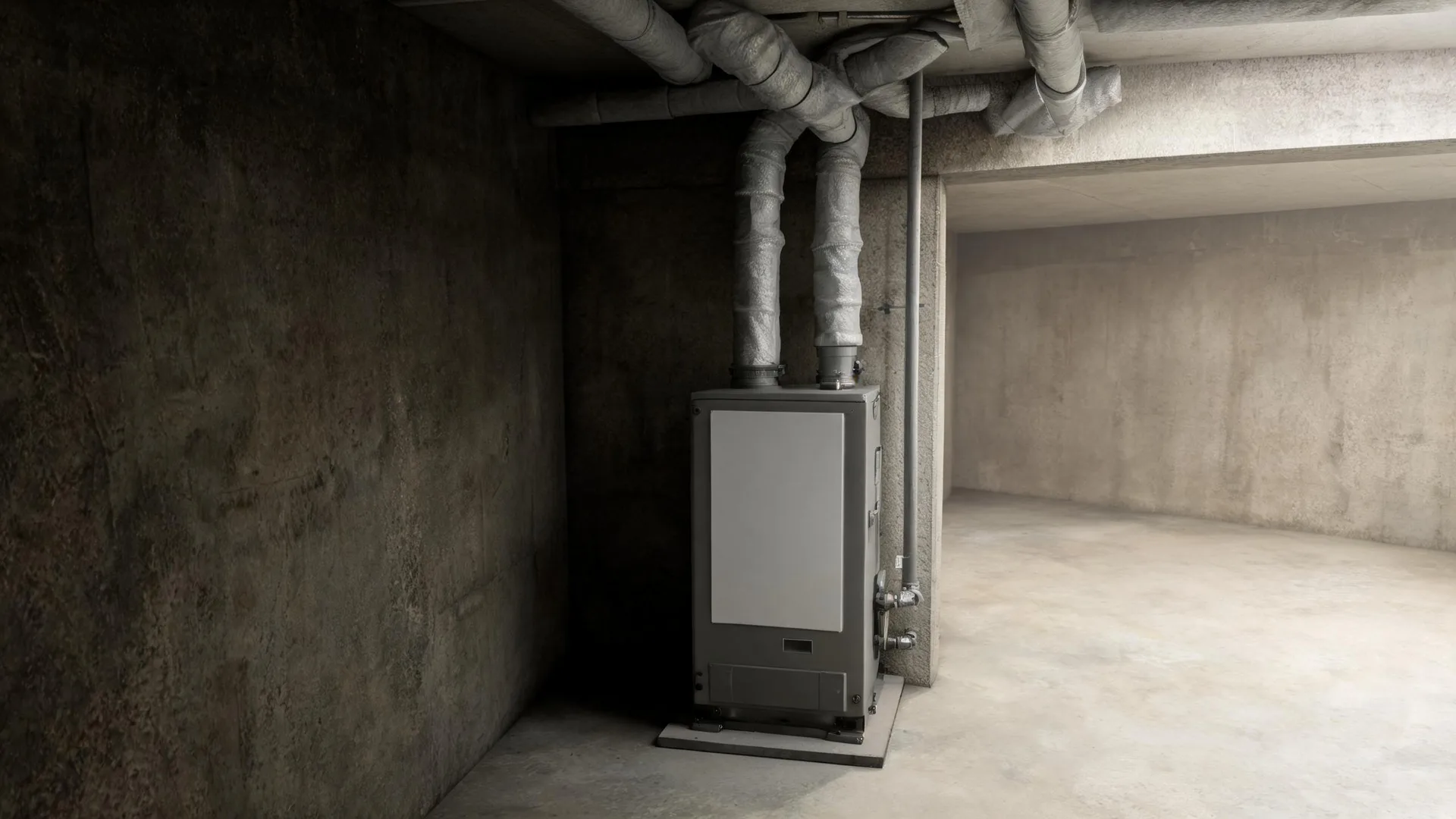
A boiler repair call in Johnson County usually comes down to what the unit has done to itself over years of use: worn seals, a failing heat exchanger, sediment buildup, or controls that have drifted out of spec. 30 severe weather events were recorded in Johnson County, Tennessee between 2015 and 2024. At that rate, severe weather is something equipment here encounters now and then, not a steady load that grinds components down ahead of schedule. Age and how well the system was maintained are what a contractor works through first, because those are what the evidence inside the unit actually points to.
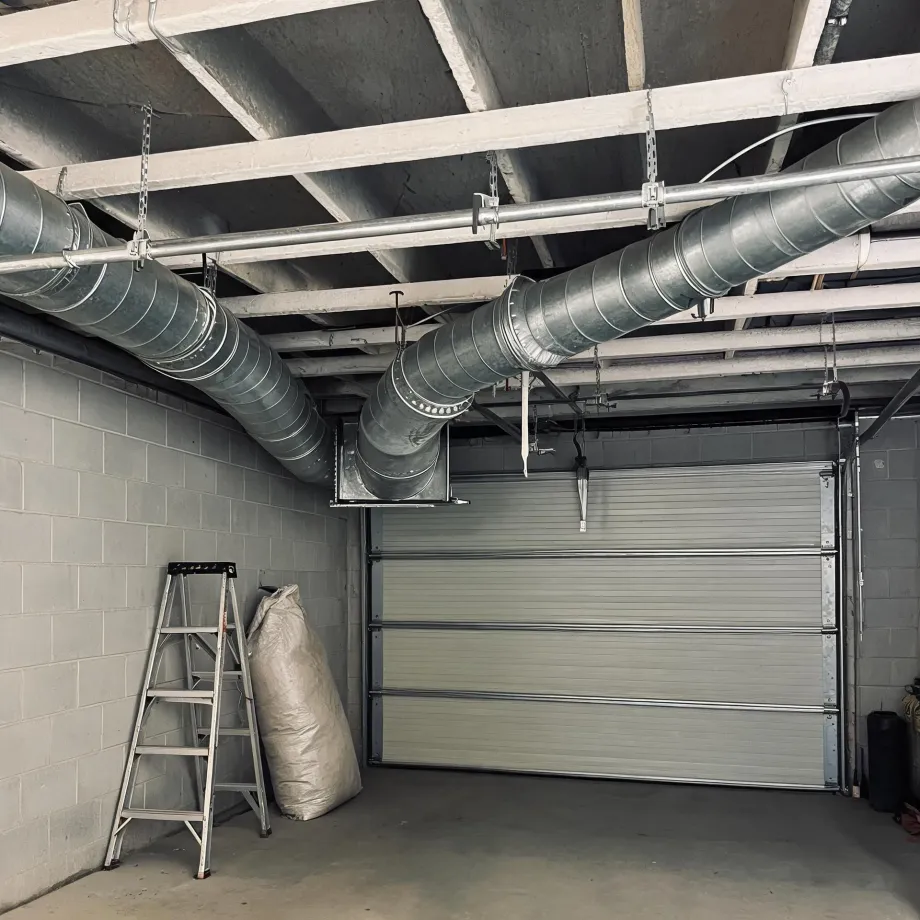
Half the homes in Johnson County, Tennessee were built in 1981 or earlier (2020-2024 ACS 5-year). A boiler that has been running since the housing stock was new will have been repaired before, and those prior repairs leave a record inside the unit: mismatched components, stop-gap fixes, wear on parts that were already a generation behind when they were swapped in. Once a contractor opens the system, the question is whether what it actually needs is still manufactured. Older boiler designs drew on parts that have since been discontinued or consolidated into updated models that do not fit the original housings. That gap between what the system takes and what suppliers stock is where the repair scope either holds or expands.
The Parts of a Boiler a Contractor Checks First
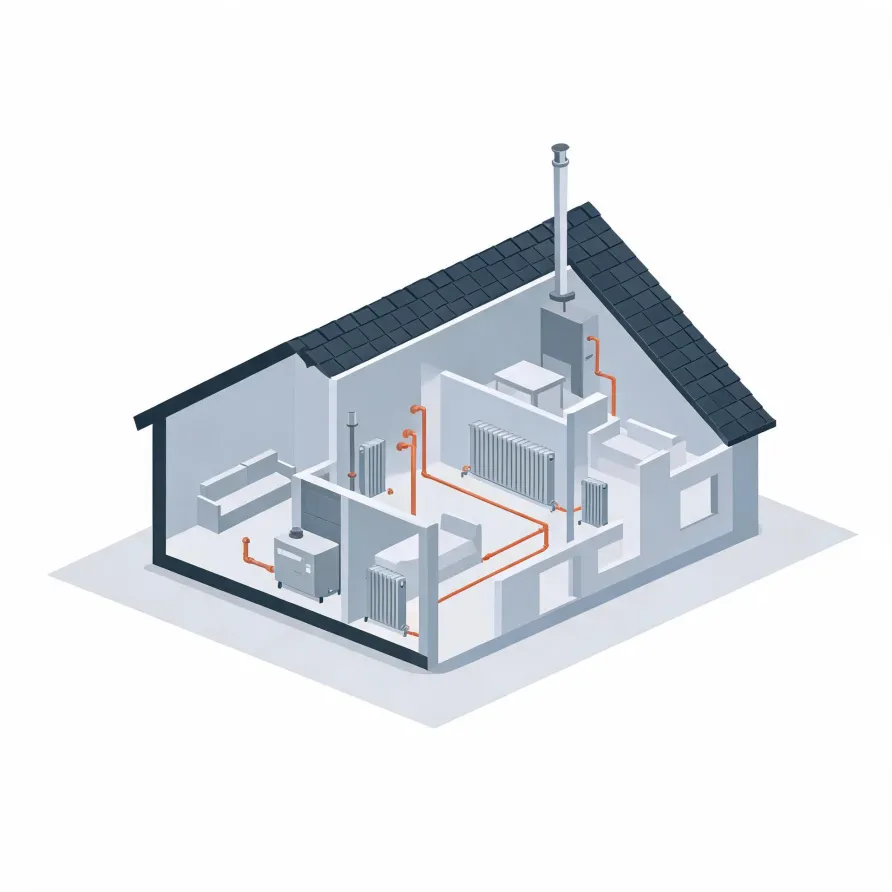
The boiler itself sits in a mechanical room, basement, or utility closet and is the piece a contractor goes to first when heat is lost or uneven. Inside it, the heat exchanger and the burner assembly are the usual suspects: a cracked exchanger lets combustion gases migrate where they should not, and a burner that is misfiring or dirty produces weak or no heat at all.
From the boiler, supply pipes carry heated water to radiators, baseboard units, or radiant floor loops throughout the house, and a circulator pump keeps that water moving. The expansion tank, pressure relief valve, and aquastat sit close to the boiler and each has a job that, when it fails, shows up as pressure problems, short cycling, or a system that simply will not fire.
The drawing shows a typical boiler layout, and a licensed contractor determines which components apply to your specific system and what each one needs.
Find a contractor in Johnson CountyJohnson County, Tennessee, by the numbers
30 severe weather events were recorded in Johnson County, Tennessee between 2015 and 2024.
NOAA National Centers for Environmental Information, Storm Events Database, bulk CSV export, events 2015-01-01 through 2024-12-31.Half the homes in Johnson County, Tennessee were built in 1981 or earlier (2020-2024 ACS 5-year).
U.S. Census Bureau, 2020-2024 American Community Survey 5-Year EstimatesJohnson County, Tennessee holds 8,761 housing units (2020-2024 ACS 5-year).
U.S. Census Bureau, 2020-2024 American Community Survey 5-Year EstimatesOwners occupy 77.5% of the occupied homes in Johnson County, Tennessee (2020-2024 ACS 5-year).
U.S. Census Bureau, 2020-2024 American Community Survey 5-Year EstimatesCodes & Standards Governing Boiler Repair in Johnson County, Tennessee1 sourced rules and standards
Licensing Rules for Johnson County, Tennessee
Tennessee licenses contractors by classification, and HVAC, refrigeration and gas piping is one of them — a sub-classification of mechanical contracting on the licence the Board for Licensing Contractors issues.
Severe Weather Events in Johnson County
Extreme weather puts real strain on boiler systems, and Johnson County's climate is not a national average. What happens here, year over year, shapes how hard local equipment works and how often it needs attention.
30 severe weather events, 2015–2024. Source: NOAA National Centers for Environmental Information, Storm Events Database.